On-Chain Analysis
The Money Never Lies: How to Follow Token Flows Between Exchanges
Most traders stare at price charts and wonder why they keep getting wrecked.
Igniz
Tag
9 articles
Most traders stare at price charts and wonder why they keep getting wrecked.

There is a number on every token's page that gets treated as a measure of health, interest, and legitimacy. That number is trading volume. And in crypto, it is probably the most manipulated data point in existence.
You want to trade Token A for Token C. Simple enough. Except there's no pool that holds both of them.
You submit a swap. You pay the gas. The transaction confirms.
Most traders think of arbitrage as a predatory game. Fast bots. Stolen value. Sophisticated actors extracting money from regular people.
Picture a traveler standing at a border with a suitcase full of currency nobody on the other side will accept. They could find a money changer, pay a fee, wait in line, and hope the rate is fair. Or they could stay home. For years, this was the daily reality of moving value between blockchains.…
For most of crypto's short history, decentralized trading had a dirty secret.
Picture two roads that lead to the same city.
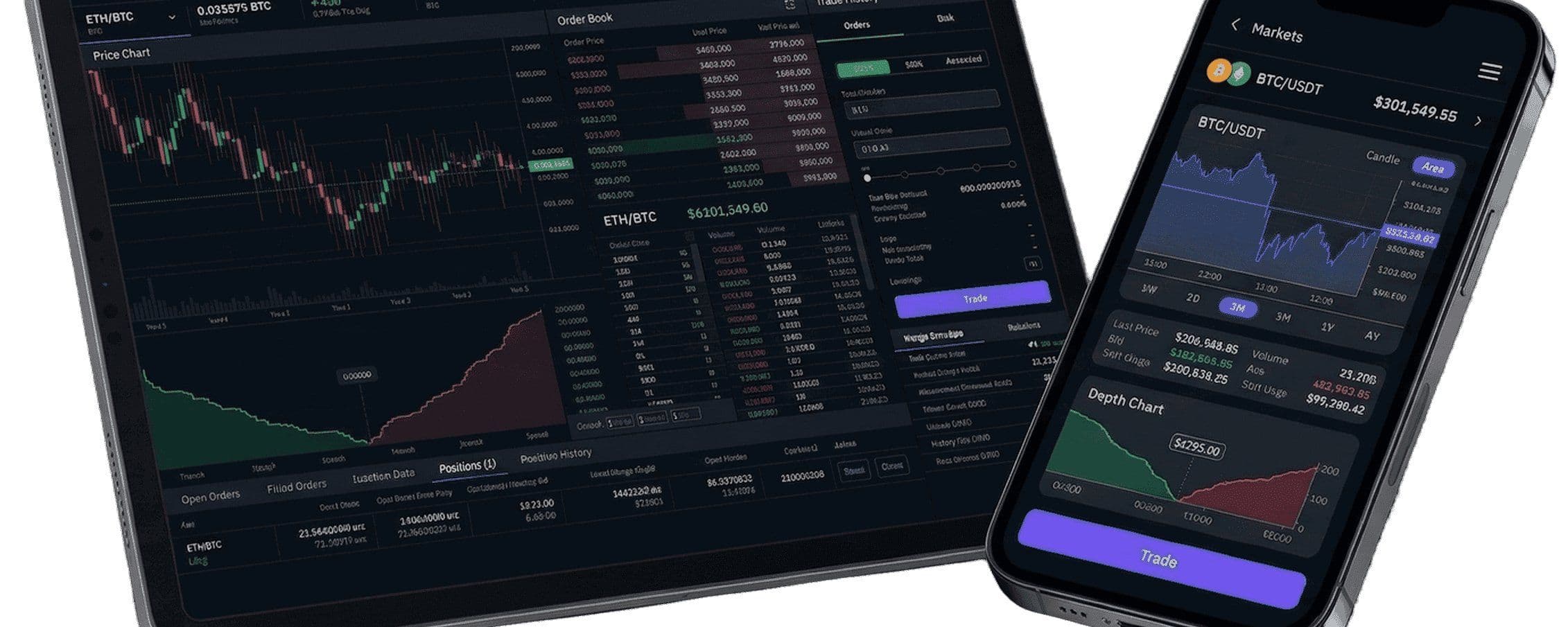
Every time a major exchange collapses, the same conversation restarts. Centralized exchanges are dangerous, people say. Go self-custodial. Move on-chain. The reality is more precise than that, and the imprecision costs traders real money.